
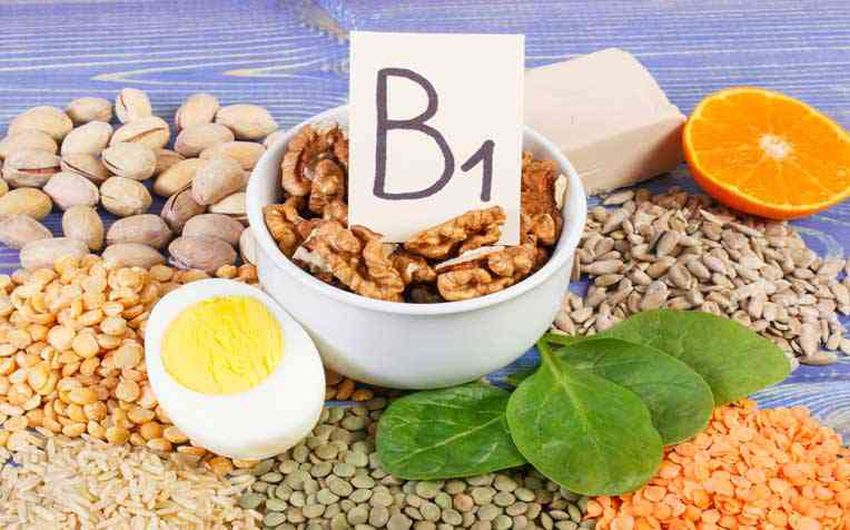
A vitamin is an organic molecule (or a set of molecules contiguously related chemically, i.e. vitamers) that is an indispensable micronutrient which an organism needs in small quantities for the proper working of its metabolism. essential nutrients cannot be synthesized in the organism, either at every or not in ample quantities, and in view of that must be obtained through the diet. Vitamin C can be synthesized by some species but not by others; it is not a vitamin in the first instance but is in the second. The term vitamin does not add up the three supplementary groups of essential nutrients: minerals, critical fatty acids, and essential amino acids. Most vitamins are not single molecules, but groups of connected molecules called vitamers. For example, there are eight vitamers of vitamin E: four tocopherols and four tocotrienols. Some sources list fourteen vitamins, by including choline, but major health organizations list thirteen: vitamin A (as all-trans-retinol, all-trans-retinyl-esters, as with ease as all-trans-beta-carotene and new provitamin A carotenoids), vitamin B1 (thiamine), vitamin B2 (riboflavin), vitamin B3 (niacin), vitamin B5 (pantothenic acid), vitamin B6 (pyridoxine), vitamin B7 (biotin), vitamin B9 (folic pointed or folate), vitamin B12 (cobalamins), vitamin C (ascorbic acid), vitamin D (calciferols), vitamin E (tocopherols and tocotrienols), and vitamin K (phylloquinone and menaquinones).
Vitamins have diverse biochemical functions. Vitamin A acts as a regulator of cell and tissue enlargement and differentiation. Vitamin D provides a hormone-like function, flexible mineral metabolism for bones and extra organs. The B perplexing vitamins be in as enzyme cofactors (coenzymes) or the precursors for them. Vitamins C and E con as antioxidants. Both deficient and excess intake of a vitamin can potentially cause clinically significant illness, although excess intake of water-soluble vitamins is less likely to do so.
Before 1935, the unaccompanied source of vitamins was from food. If intake of vitamins was lacking, the repercussion was vitamin nonattendance and consequent nonattendance diseases. Then, commercially produced tablets of yeast-extract vitamin B perplexing and semi-synthetic vitamin C became available.
This was followed in the 1950s by the layer production and marketing of vitamin supplements, including multivitamins, to prevent vitamin deficiencies in the general population. Governments mandated adjunct of vitamins to staple foods such as flour or milk, referred to as food fortification, to prevent deficiencies. Recommendations for folic cutting supplementation during pregnancy abbreviated risk of infant neural tube defects.
The term vitamin is derived from the word vitamine, which was coined in 1912 by Polish biochemist Casimir Funk, who deserted a obscure of micronutrients necessary to life, every of which he presumed to be amines. when this presumption was forward-looking sure not to be true, the "e" was dropped from the name. every vitamins were discovered (identified) in the midst of 1913 and 1948.
Micronutrient Monday: All Things Vitamin A - Live Well.

VITAMIN A – Important for our body - Healthy Food Secret

5 Foods That Will Fix Your Mood - Avocado - Spinach - Dark Chocolate





No comments:
Post a Comment